People, development, vision: strategic work with the HACC in partnership with JustGroup and EUACI

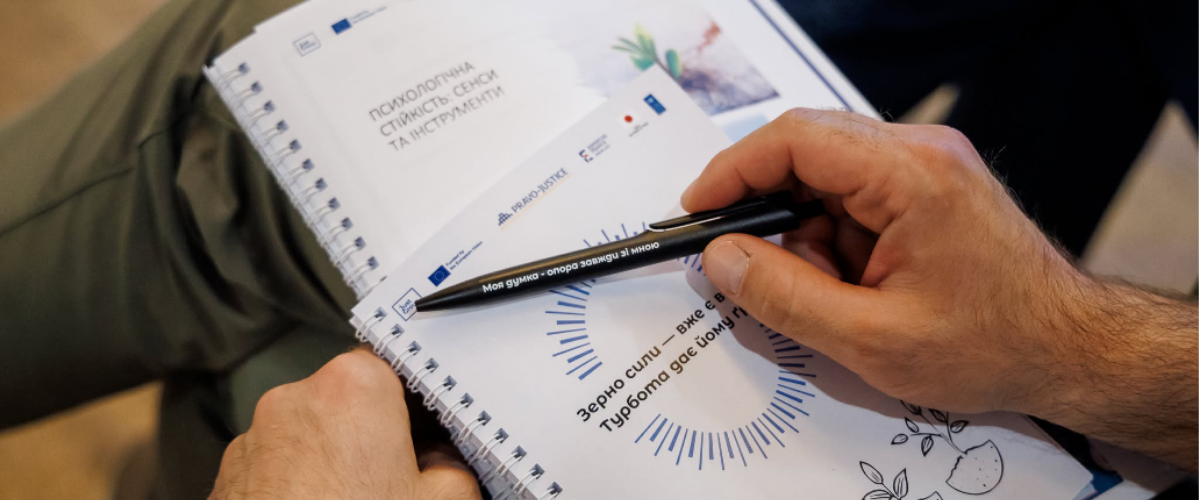
As part of our JustLab initiative, we continue to work with the requests of institutions and teams, offering customized development or analytical products. In this process, we follow several standards: focus on people and human capital; search for tools and approaches that are optimal for a particular team and can be tested; focus on interaction and building internal dialogue as a key to sustainable growth.
In 2025, with the support of the EU Anti-Corruption Initiative (EUACI), we had the opportunity to support the High Anti-Corruption Court in formulating a strategic vision of institutional development for the coming years. Vasylyna Yavorska worked on the design of team interactions and supported the process of their work on the court’s development priorities.

“Working with the capacity of institutions is a key focus of our organisation. We believe it is valuable to provide holistic and systematic design and support to teams on their journey to growth. The role and importance of the HACC in the criminal justice system cannot be overstated; this institution often sets the standard for others, so it is important to support and develop it. As part of this process, we have brought together experts to develop the teams’ capacity and created a space where teams can develop a shared vision for the institution’s development through dialogue, reflection, and collaborative thinking. It is also about experiencing approaches to working with changes that rely on a culture of team engagement,” said Vasylyna Yavorska, Head of the JustGroup organisation.

This systematic work lasted from April to June and included several iterations: thinking sessions on the future of the institution with judges and the staff team, meetings with experts who added a broader perspective or strengthened the court’s internal expertise. Thus, during the team thinking sessions, we focused on three key elements:
- developing the practice of joint dialogue and identifying areas for growth of the institution,
- increasing the involvement of judges and staff in shaping the future of the HACC,
- analysing the current state and identifying development priorities for 2025-2027.
“We are grateful to JustGroup for the meaningful and systematic cooperation with the HACC. Partnering with an organization that understands the needs of the judiciary and the challenges of criminal justice and works for development is support that matters. We appreciate the space for dialogue, professional growth, and a meaningful rethinking of the role of the court in society,” said HACC Head Vira Mykhailenko.
A separate aspect of this interaction with the HACC was meetings with experts, which expanded the management perspective and contributed to a deeper understanding of the challenges faced by the court as an institution daily.

During the May meeting with Olha Shcherbyna, Academic Director of the Kyiv Mohyla Business School, we discussed quality interaction between people, effective communication channels, and adapting the decision-making system in the process of dealing with changes in the institution.
In June, we met with Den Dubravin, a psychologist and founder of the School of Emotional Intelligence. Discussing the topic of emotional intelligence was important for understanding the internal processes that shape the atmosphere of interaction in the team of judges. They discussed:
- importance of emotional intelligence for quality teamwork,
- communication strategies in difficult and conflict situations,
- approaches to counteracting toxicity in the team.
“The judges showed great interest in the emotional intelligence training, and it was one of our most popular events in terms of the number of participants. This demonstrates the importance and relevance of this topic for their daily work and life. They also noted the effectiveness of the interactive format, which involved engaging in discussions and practising skills,” said Bohdan Kryklyvenko, HACC Chief of Staff.

We believe that institutional development requires integrity and consistency — without these, real transformation is impossible. That is why we develop programmes that bring together various areas of expertise, giving teams a broader understanding of themselves and their role. In this case, we successfully combined external expertise with creating a space for internal reflection. These approaches are already helping Ukrainian institutions develop a different decision-making culture and establish effective internal dialogue, which is essential for successful cooperation.