Psychological resilience as a professional competence: findings from the Resilience project
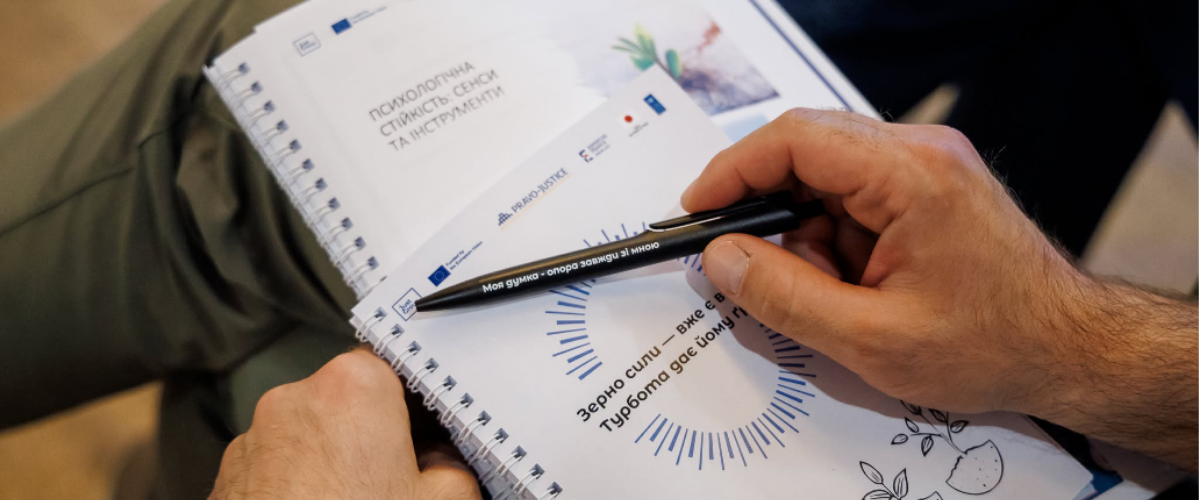
Working on war crimes involves daily contact with traumatic testimonies, complex human stories and a high level of professional responsibility. Prosecutors who document and prosecute international crimes work under conditions of prolonged stress, which inevitably affects not only their personal well-being but also their professional effectiveness.
That is why, in 2025, JustGroup, with the support of the EU Pravo-Justice Project implemented by Expertise France, began piloting a systematic approach to building the psychological resilience of prosecutors prosecuting war crimes.
“When discussing the strengthening of Ukraine’s criminal justice capacity, it is important to also consider strengthening the capacity of the people within the system — their ability to overcome daily challenges,” noted JustGroup CEO Vasylyna Yavorska at the start of the project.
The approach, developed in 2023, is based on the understanding that psychological resilience is not only a personal trait but also a professional competence that can and should be developed at the organisational level.
What the assessment revealed
One of the first steps of the project was to conduct an anonymous psychological assessment of participants using validated psychometric tools. The findings not only confirmed the relevance of the issue but also enabled a comparison of participants’ psychological well-being with data collected in 2023.
The findings revealed a mixed picture. On the one hand, the majority of participants continued to demonstrate a high level of psychological resilience: in 2025, 82.5% of respondents showed high or very high levels of resilience. On the other hand, participants with low and very low levels of resilience were identified for the first time, indicating a growing accumulation of psychological exhaustion within part of the group.
The most significant changes were observed in indicators of post-traumatic stress disorder (PTSD) and anxiety. While in 2023, symptoms consistent with PTSD were identified in 24% of participants, by 2025 this figure had risen to 52.5%. At the same time, the proportion of participants demonstrating subclinical or clinical levels of anxiety increased from 48% to 72.5%.
The findings suggest that despite increasing psychological and emotional strain, a significant proportion of prosecutors retain a strong capacity for adaptation and recovery. At the same time, the growth in trauma-related symptoms became one of the key arguments for implementing a comprehensive approach that combines psychoeducation, individual and team support, the development of self-regulation skills, and internal mechanisms of peer support.
From training to systemic support
Psychoeducational programmes became one of the project’s key components. Participants included heads and prosecutors from the War Department of the Office of the Prosecutor General, as well as representatives from relevant units in the Zaporizhzhia, Sumy, Kharkiv, Kherson and Chernihiv regions. Initially, 10 unit heads underwent training, and subsequently nearly 50 prosecutors from these regions joined the psychoeducational programmes.
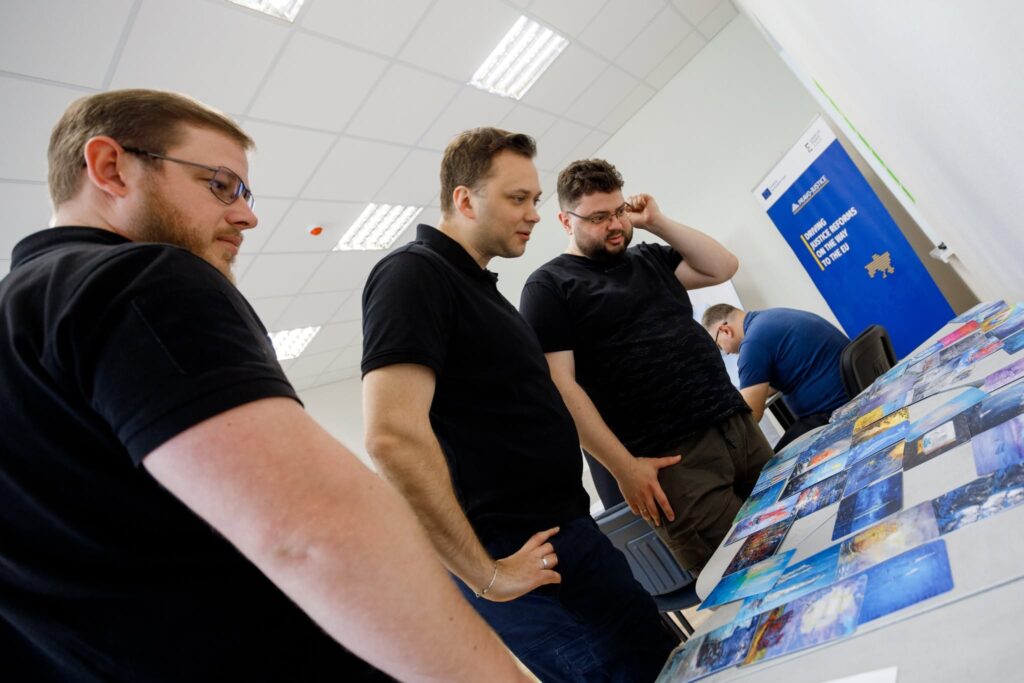
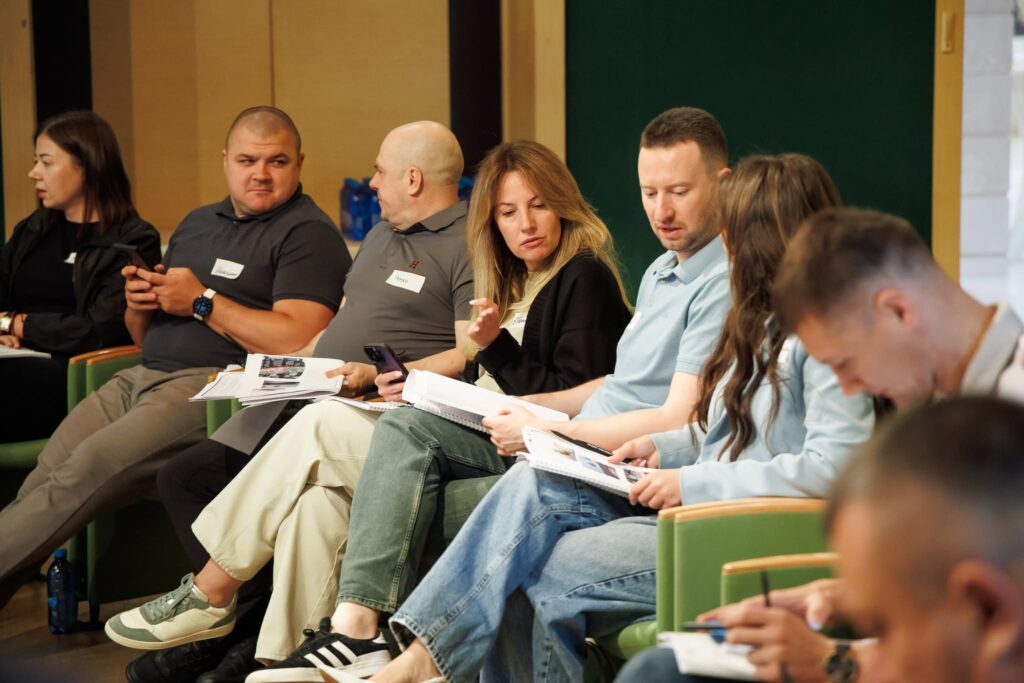
During the programmes, participants worked on developing self-regulation skills, learned to recognise and respond to stress and trauma-related reactions, explored the role of personal values as a source of inner resilience, and mastered tools for mutual support in a professional environment. For managers, particular emphasis was placed on their role in shaping an organisational culture in which mental health is viewed as a professional necessity.
“The value of this approach lies in helping people become more attentive to themselves and others, maintain a healthy level of psychological well-being, support colleagues, and build internal systems of care,” is how Svitlana Savchuk, a trainer and expert on the Resilience project, describes the value of this approach.
At the same time, the project was not limited to training programmes. An important component was the creation of an external support system for participants. Experienced psychologists with extensive experience in working with the aftermath of traumatic events joined the project. Individual requests for psychological and emotional support, as well as crisis requests from teams, were supported by specialists from the EMDR Association in Ukraine: Halyna Karpuk, Hanna Tropotyaga, Iryna Zubrytska-Makota, Oksana Nakonechna and Olga Uralova.
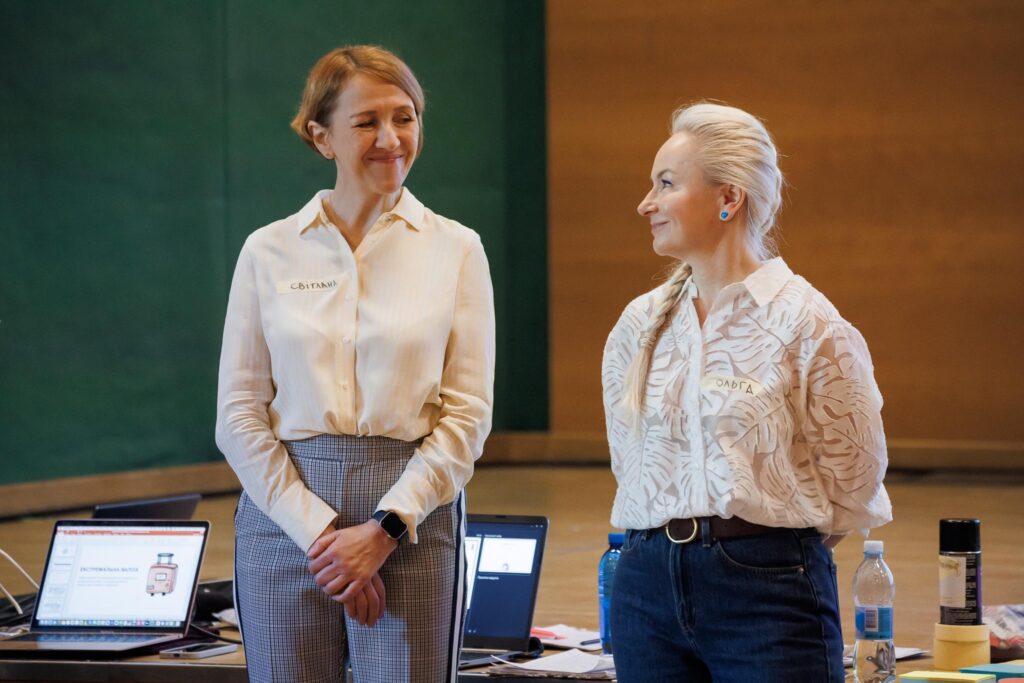
A dedicated component of the project focused on supporting prosecutorial managers. They were able to seek help not only for themselves but also in relation to the needs of their teams. These requests were supported by Anna Metelska, Kateryna Shkurina and Nataliia Rymar — mental health consultants for organisations and experts of the Mental Health and Emotional Well-being for Business initiative.
Another key element of the project was the creation of an internal support network — a community of mental health ambassadors. This component arose from the understanding that psychological resilience cannot be sustained solely through external support or isolated training sessions. For change to be sustainable, it is important to create an environment in which caring for mental health becomes part of everyday professional culture.
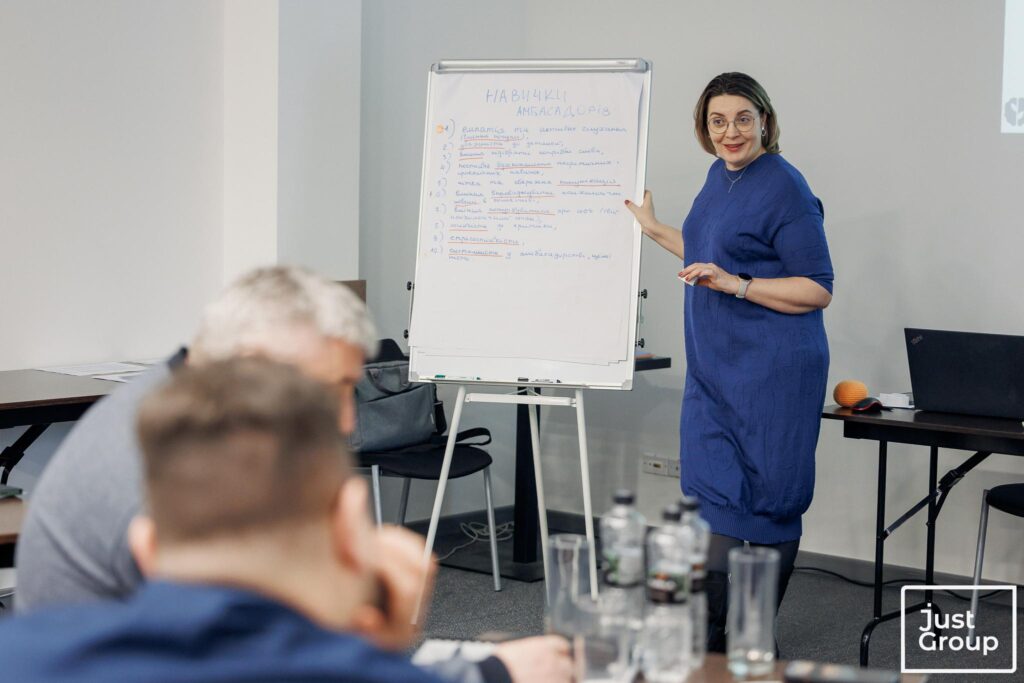
That is why the project involved training mental health ambassadors — members of the professional community who have undergone basic training in mental health, mastered self-regulation skills and supportive communication in a peer-to-peer format. Their role is to create an atmosphere of trust, safety and attentiveness to the emotional state of their colleagues. In a sense, they have become a bridge between the team and professional support, helping to make conversations about mental health more open, accessible and stigma-free.
All these components created a comprehensive model that combined external professional support, the development of individual resilience skills, and internal peer-support mechanisms capable of continuing beyond the pilot phase.
Taking the topic beyond the project
One of the project’s goals was to foster a broader professional dialogue on mental health within the criminal justice system.
The work of prosecutors investigating war crimes involves constant exposure to traumatic content, a high level of responsibility and prolonged stress. At the same time, the topic of psychological resilience is still rarely considered as a component of a professional’s competence. The project team, therefore, sought to move this conversation beyond training programmes and individual psychological support.
One of the prosecutors who took part in the training noted:
“Previously, my knowledge and understanding of tools for self-regulation and stress management were quite abstract. Over the course of these two days, I was able to make them more concrete, develop a clear action plan for myself, and see that there are many effective and accessible tools for self-care. I realised that my inner state and mental health require greater attention and conscious care.”
To take the project’s findings beyond direct work with its participants and initiate a broader professional discussion, the team prepared a Discussion Paper. In it, Anna Petrovska, coordinator of the JustLearn development hub, summarised international experience in supporting professionals who work with traumatic content, the results of piloting an approach to building psychological resilience among prosecutors, and possible ways of systematically implementing it in Ukraine.
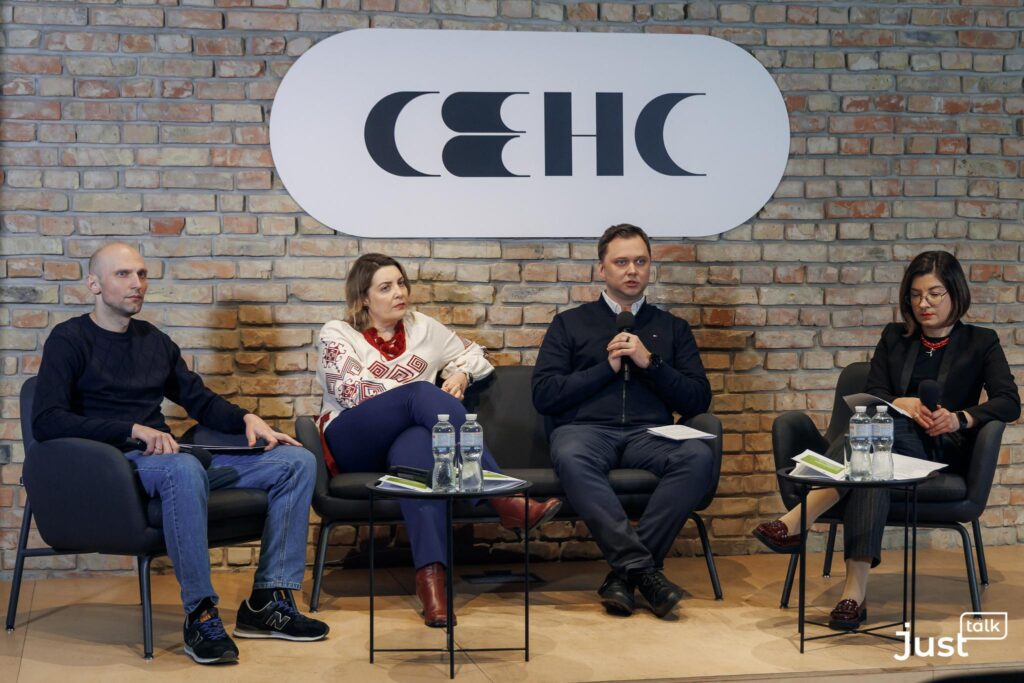
This analysis formed the basis for the JustTalk discussion ‘Psychological resilience as a new competence: is the system ready to change?’, which brought together representatives of the Prosecutor’s Office, the National Police, the psychological community and experts to discuss psychological resilience as a professional competence, the role of managers and institutional policies in its development, as well as the balance between an employee’s personal responsibility and the organisation’s responsibility.
During the discussion, Denys Lysenko, Deputy Head of the War Department at the Office of the Prosecutor General, emphasised:
“Psychological resilience is not an optional extra, but a core competence for a prosecutor working on international crimes. And the question is not whether the professional will cope. The question is whether the system will cope if these people are unable to perform their work effectively.”

Anna Metelska, co-founder of Mental Health for Business and a mental health consultant for organisations, highlighted the role of managers in creating a healthy working environment:
“No psychologist can do as much for people’s mental health as a manager can. The role of a manager cannot be overstated. Their attitude, personal example and everyday interactions with staff largely determine how people feel at work.”
Tools that remain after the project’s completion
The project also included the development of practical materials designed to share knowledge about psychological resilience with a wider professional audience.
During the project, the team of psychotherapists collected and systematised practical tools, observations and approaches to recovery and resilience in conditions of prolonged stress. Some of these materials were translated into practical tools, including step-by-step algorithms and micro-learning videos.
The first video focuses on the BASIC Ph model — an approach that explains the six coping channels through which a person recovers and adapts to difficult life circumstances. In the video, psychotherapist and project trainer Svitlana Savchuk explains how this model works and how to identify one’s own sources of recovery.
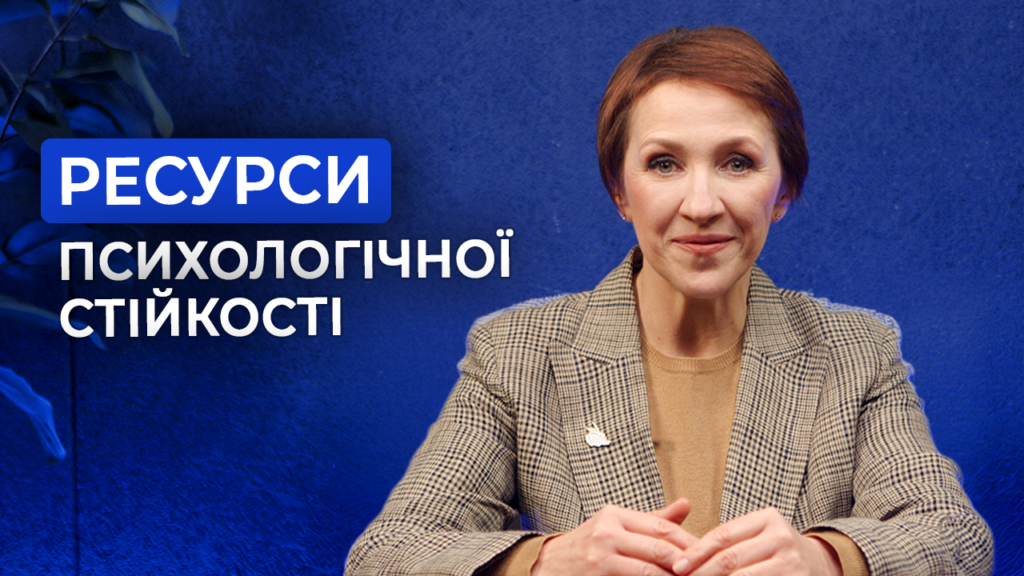
The second video focuses on the nature of stress responses and their impact on people. Drawing on her experience working with participants in psychoeducational programmes, Svitlana Savchuk explains what stress is, what signs may indicate chronic stress, and how to help the nervous system resolve stress responses and recover.
What the pilot project showed
The pilot experience confirmed that psychological resilience cannot be viewed solely as an individual responsibility. It is shaped by the interaction of personal skills, peer support, leadership practices and organisational culture.
By combining psychoeducation, professional psychological support, leadership engagement, internal peer-support mechanisms and professional dialogue on mental health, the project tested a comprehensive model that could inform future systemic approaches within the criminal justice sector.
This publication summarises the results of a project on developing a systemic approach to strengthening the psychological resilience of prosecutors investigating war crimes, implemented by JustGroup within the framework of a grant provided by the EU Project Pravo-Justice. Its contents are the sole responsibility of JustGroup and do not necessarily reflect the position of the European Union.