From Learning to Practice: Results of the Second Cycle of the Path to Excellence Mentorship Programme

New knowledge does not automatically change practice. Once a training programme ends, participants still need to decide where to begin, adapt new approaches to their professional context, and remain consistent despite the pressure of everyday responsibilities.
This is precisely the stage at which JustGroup’s Path to Excellence mentorship programme supported its participants. The second cycle brought together alumni of JustLearn development programmes and experienced practitioners from across the criminal justice system.
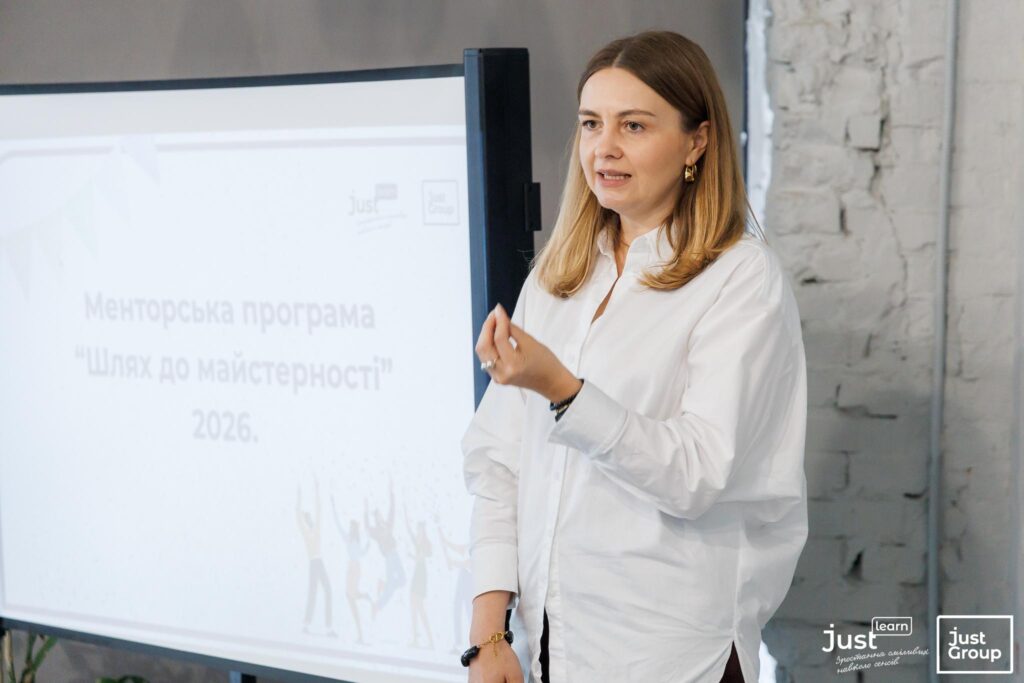
“I am inspired to see mentees go beyond their own professional development and think about the wider space for change, impact, and the value we create. For us, quality matters more than quantity. We work with people who are ready to take responsibility and contribute to transforming the criminal justice system, making it more professional, effective, and people-centred,” says Vasylyna Yavorska, CEO of JustGroup.
How the Second Cycle Was Structured
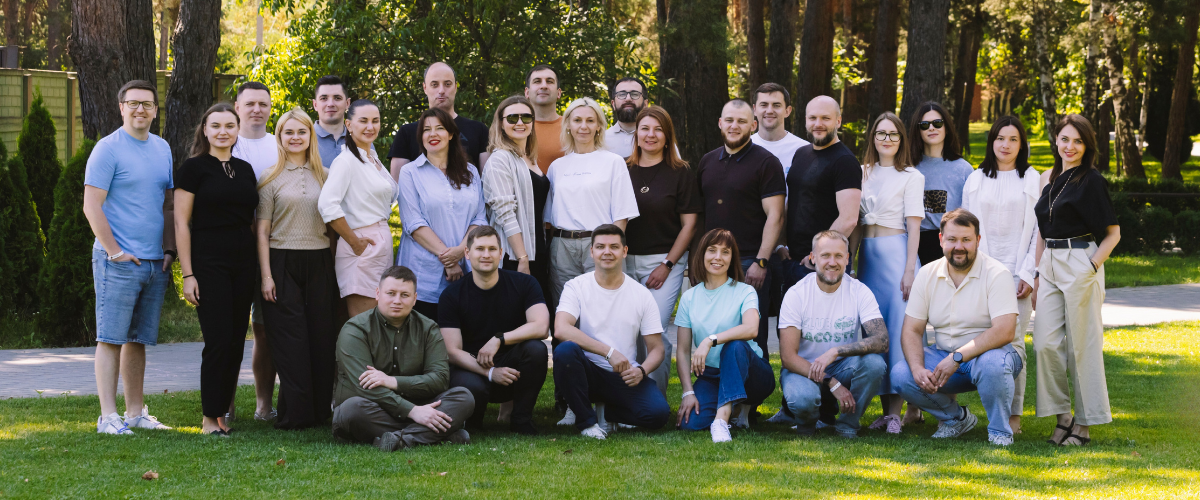
We selected 16 mentees for the second cycle of the programme, representing the National Anti-Corruption Bureau of Ukraine, the Economic Security Bureau of Ukraine, the National Police of Ukraine, the Security Service of Ukraine, the Office of the Prosecutor General, the Prosecutor’s Office of the Autonomous Republic of Crimea and the City of Sevastopol, prosecution offices in the Lviv, Zhytomyr, Odesa, Cherkasy, and Kharkiv regions, the National Academy of Internal Affairs, Dnipro State University of Internal Affairs, and Yaroslav Mudryi National Law University.
They were supported by 16 mentors — experienced practitioners from various institutions across the criminal justice system.

At the outset, each mentee identified a professional challenge and the result they hoped to achieve. Together with their mentors, participants refined their goals, developed individual plans, and agreed on the format and frequency of their meetings.
Mentors did not provide ready-made solutions. Instead, they helped mentees structure the problem, consider different perspectives, formulate more precise questions, and find solutions suited to their professional context. Responsibility for implementing the plan and moving towards the agreed goal remained with the mentee.

Ten mentees completed the main stage of the programme. Three pairs presented results that the programme team identified as successful stories of transformation. A further three pairs will continue working together beyond the formal end of the cycle.
The cycle was also a learning experience for the programme team. During the final reflection session, Programme Coordinator Inna Vyshnevska noted that the greatest value came from witnessing tangible changes in participants and recognising that, for many of them, this journey would continue beyond the programme itself.
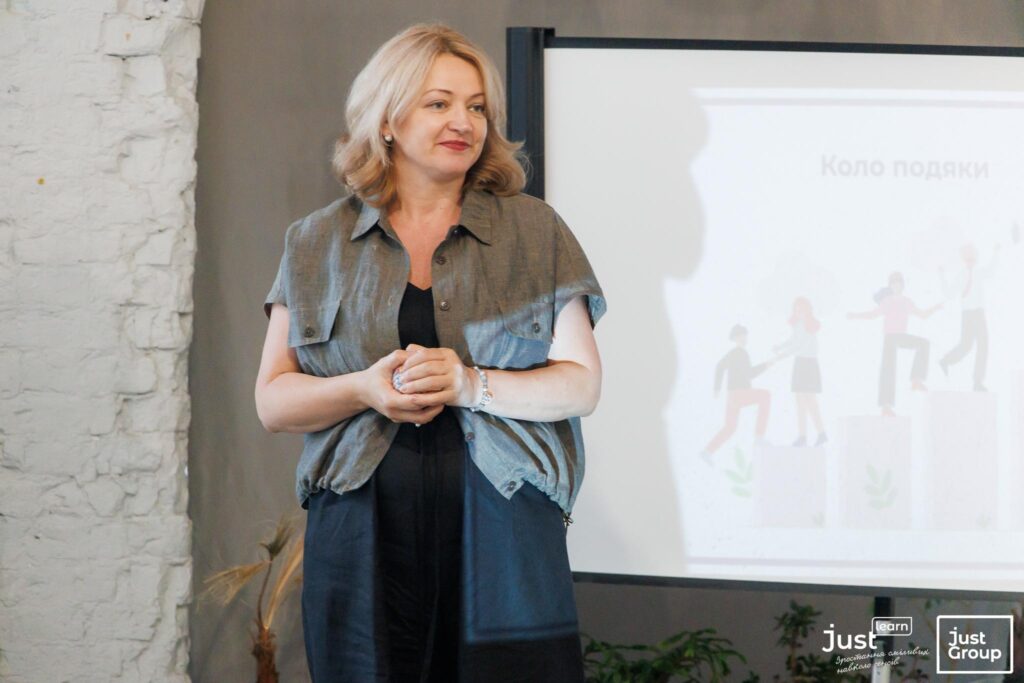
“I leave this programme with three important conclusions. First, it does not matter how you started — what matters is how you continue. Second, I leave with a desire to keep experimenting and applying the new tools we discovered through the programme. And third, I leave with a network of contacts, because we truly created this programme together,” said trainer and facilitator Viktoriia Mryshuk, who advised JustGroup throughout the programme’s implementation.
The cycle confirmed that the quality of a mentoring relationship depends not on the programme’s formal framework, but on both parties’ willingness to invest time, meet regularly, and take responsibility for the process they are building together.
From Managing Investigations to Interviewing Children
The professional goals addressed during the second cycle fell into three main areas: standards of pre-trial investigation, Investigative Interviewing, and management within the criminal justice system.
Mentees worked on planning complex, multi-episode investigations, drafting procedural documents, developing legal arguments, and improving cooperation among investigators, prosecutors, and operational units.
Other goals focused on interviewing children, designing specialised training for colleagues, developing teams, delegating responsibilities, providing feedback, and moving from reacting to immediate tasks towards more systematic management.
By the end of the cycle, mentees reported greater confidence in professional decision-making, a more structured approach to their work, closer attention to the logic of evidence and the ultimate objective, improved teamwork, and access to new practical tools.
For some participants, the programme offered an opportunity to define their professional development path more clearly, set realistic goals, and move from intention to concrete action.
Three Stories of Transformation
Leadership Within a Team
Olena Dediaieva, a prosecutor at the Zhytomyr Regional Prosecutor’s Office, and Vitalii Radionov, a prosecutor at the Prosecutor’s Office of the Autonomous Republic of Crimea and the City of Sevastopol, worked together on developing management skills.
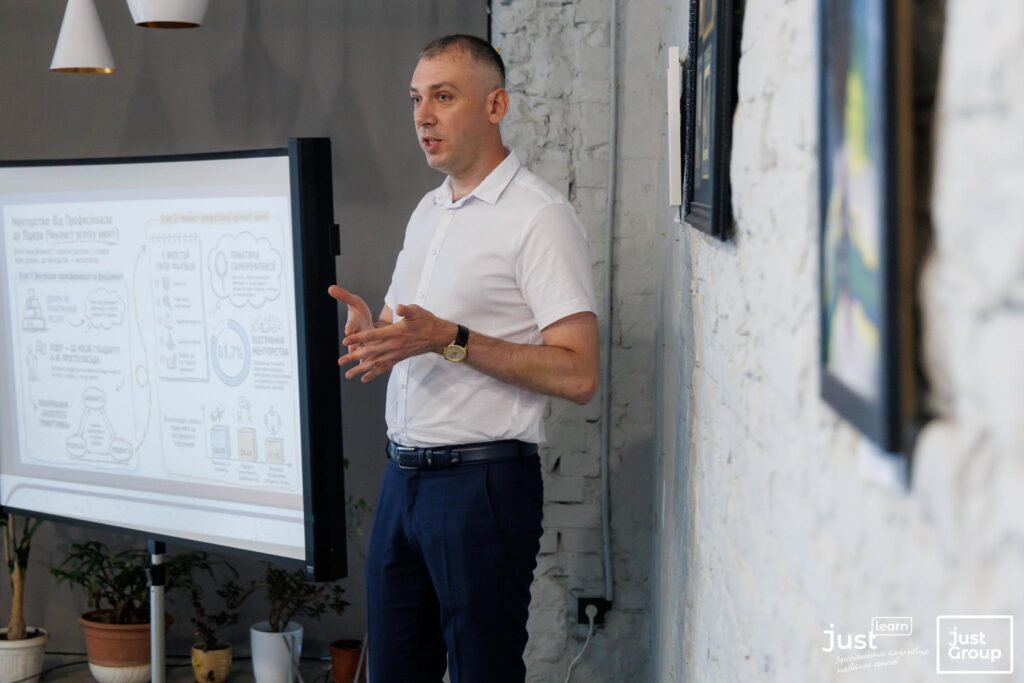
Метою Віталія було перейти до більш системної роботи з людьми та процесами, навчитися ефективніше координувати команду під час розслідування воєнних та інших міжнародних злочинів, розвивати навички делегування, надання зворотного зв’язку та організації спільної роботи.
Vitalii’s goal was to adopt a more systematic approach to managing people and processes, improve his ability to coordinate a team investigating war crimes and other international crimes, and strengthen his skills in delegation, feedback, and organising collaborative work.
During the programme, this work became the basis for a broader reflection on leadership in the criminal justice system. Their collaboration resulted in a joint article for the JustTalk platform exploring the relationship between leadership, professional responsibility, and public trust in the criminal justice system.
This case showed that a person does not become a manager simply through an appointment or the formal transfer of authority. Leadership requires the ability to create an environment of trust, unite a team, and explain the meaning behind their shared work.
Investigation Management
Denys Hiulmahomedov, First Deputy Director of the National Anti-Corruption Bureau of Ukraine, and Yevhen Moskovka, Senior Investigator with the Main Department of the National Police in Donetsk Region, focused on managing pre-trial investigations and strengthening communication with prosecutors and operational units.
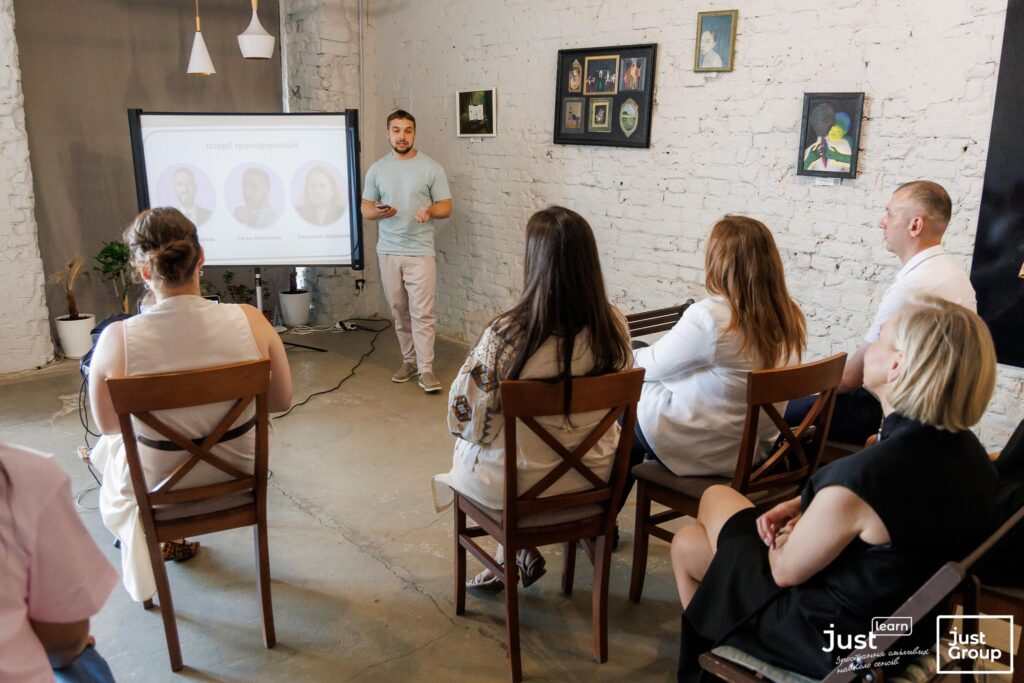
Yevhen’s goal was to learn how to structure the investigative process, coordinate the actions of different participants, and move from responding to individual tasks towards consistent management of the entire process. Trust was essential to their work together. It allowed them to discuss challenges openly, reconsider established approaches, and view feedback as an opportunity for development.
“I really appreciated the support I received from my mentor. I did not feel embarrassed or afraid to say something. Everything was received openly, and this created space for me to grow and improve,” Yevhen shared during the reflection session.
Interviewing a Child
Oksana Kaidanovych, Head of the Department for the Protection of Children’s Interests and the Prevention of Domestic Violence at the Zhytomyr Regional Prosecutor’s Office, and Liudmyla Tserkunyk, Senior Investigator at the Main Investigation Department of the National Police of Ukraine, worked on strengthening skills in conducting Investigative Interviews with children.
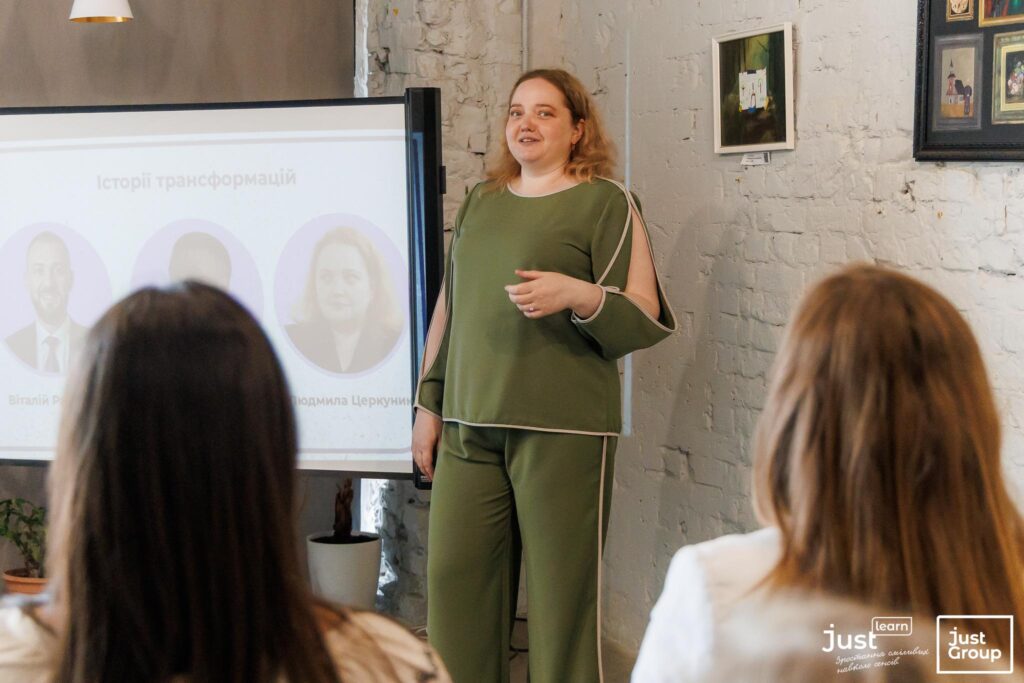
Liudmyla’s goal extended beyond developing her own knowledge and skills. Together with her mentor, she worked on creating a practical tool to help investigators assess the quality of Investigative Interviews with children, with particular attention to professional and ethical standards.
In this pair, individual professional development became a foundation for spreading change among colleagues. The result once again demonstrated that knowledge gained through the mentorship programme does not remain with one individual, but gradually becomes embedded in the work of teams and professional communities.
Mentorship as a Two-Way Learning Process
The programme also created opportunities for mentors to grow. Working with mentees encouraged them to structure their own experience, explain the reasoning behind their decisions, and view familiar professional situations from a different perspective.
Mentors particularly valued the opportunity to have open professional conversations, support motivated colleagues, strengthen their own mentoring skills, and gain a deeper understanding of their approaches to work.
“It is incredibly rewarding to work with energetic people who are not afraid to take responsibility, introduce new approaches into their work, and continue developing. This brings particular satisfaction to both the mentee and the mentor. Development requires time and resources, and it never truly ends,” says Ivan Dulkai, Senior Investigator at the Main Investigation Department of the National Police
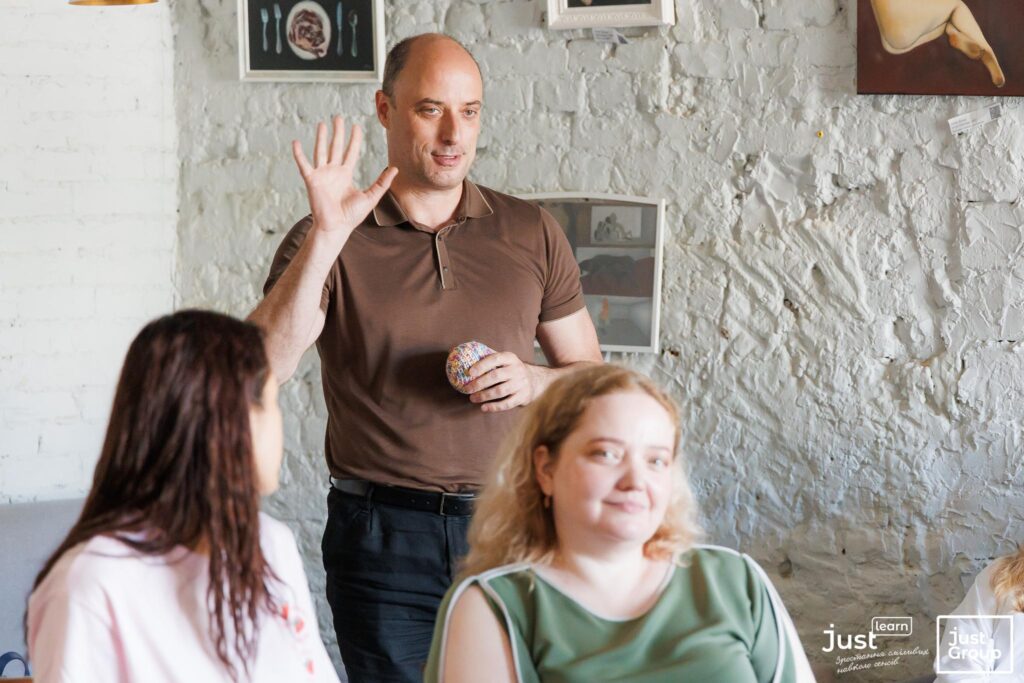
Yurii Bielousov, Deputy Director of the Economic Security Bureau of Ukraine, also emphasises the reciprocal nature of the process:
“I receive no less from my mentee than he receives from me. It is an opportunity to shift perspective and see the world beyond the institution or professional environment in which you work. Ukrainian institutions already hold a wealth of experience. It is important to bring these people together, give them opportunities to contribute, and enable them to share their knowledge.”
What Comes Next
The second cycle confirmed that mentorship can provide an important bridge between development programmes and meaningful changes in practice. It helps professionals avoid facing complex challenges alone, creates horizontal connections among representatives of different institutions, and supports the exchange of effective practices across the system.

The Path to Excellence does not end with the final meeting between a mentor and mentee. It continues through the decisions participants make every day, the work of their teams, and the new training products and approaches they share with colleagues.
Following the cycle, the team collected participant feedback and identified changes that can strengthen the programme in the future. There is more to come.
The mentorship programme was implemented by JustGroup with the support of the “Inclusive Recovery Support for Resilience and Human Security in Ukraine” project, implemented by UNDP Ukraine and financed by the Government of Japan.
The content of the programme is the responsibility of its authors and organisers and does not necessarily reflect the views of the Government of Japan, UNDP, or other United Nations agencies.
Photo: Anna Putylina